A history rooted in northern Iran
Encyclopaedia Iranica records the historical harvest of sturgeon roe in the coastal waters and rivers of the southern Caspian. It also records a proposed Persian derivation of khaviar associated with the idea of bearing eggs. This is a documented regional tradition whose history extends to Iran’s Caspian rivers and fisheries. Sources do not establish where fish roe was first processed.
What makes Beluga distinctive?
Its relatively large grains are one reason diners seek it out. Start by tasting a little on its own. Notice whether the grains hold their shape, how they release on the tongue and how long the salt and finish linger. Species and processing both affect sensory characteristics, so origin alone cannot establish how an individual tin will taste.
Iranian origin, species and farm
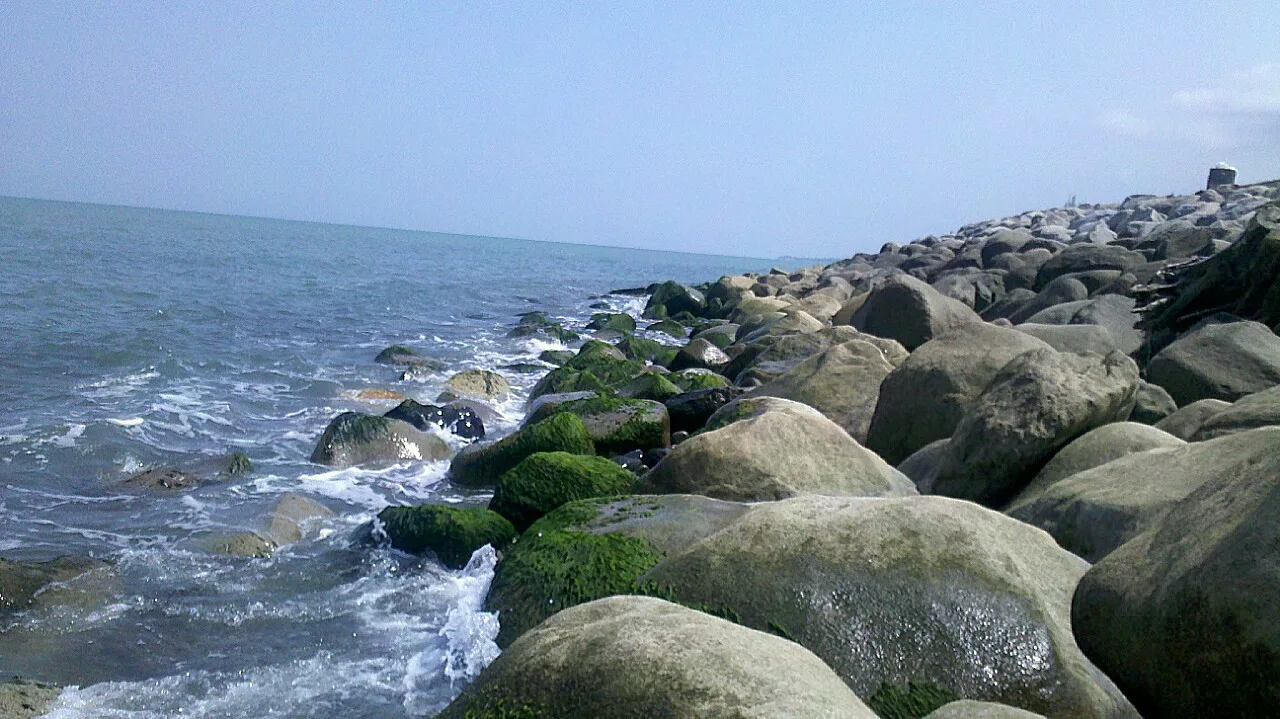
Beluga identifies the species. Iranian origin is a claim about the lot, and a named farm in northern Iran is a more specific claim supported by its producer records. HUS identifies Huso huso on the standard caviar label. The label and batch documentation help connect a particular tin with its source. The Caspian coastline pictured here illustrates the region’s heritage.
Explore all seven articles
- Types of Caviar: Beluga, Osetra, Sevruga and Beyond
- Sturgeon Farming and the Time to Caviar Harvest
- Caviar and Sturgeon Meat: What the Nutrition Data Show
- The Caviar Market: Production, Imports and Consumption
- Caviar Packaging, Cold Delivery and CITES Labels
- The Ancient Sturgeon and the Art of Serving Caviar